01 Entry Points
First week of final year. Starting with a big question: how can interactions embody brand personality beyond just function? Reflecting on how I got here, from reluctant coder in Year 1 to actually enjoying the troubleshooting process. My LTA internship showed me the communication gap between designers and engineers when explaining sophisticated interactions through Figma alone. That's why I'm here: learning to prototype interactions through code, not just mock them up.
Week-one
~ 24, Aug, 2025Journal-by
Choi YerinKeywords
- Initial concept
- Recap
- Inspirations
Initial Project Concepts
Last year of undergrad. Year-long project. Kind of terrifying, kind of exciting.
My research question right now: How can interactions be branded? How can micro-interactions, motion design, and feedback systems embody a brand's personality beyond just functional purposes?
The hypothesis I'm working with: in our screen-dominated world, interfaces have become where brands establish emotional connections. Every swipe, scroll, tap—these aren't just usability decisions. They're fundamental components of brand identity.But right now that's still pretty abstract. I need to figure out what this actually means in practice.
Why Am I Even Here?
Reflecting on my journey, it's funny how my relationship with computation has evolved. In Year 1, I was honestly reluctant about coding because it just felt overwhelming. But that initial struggle brought me here. Just like the meme below that I found from Code academy forum.
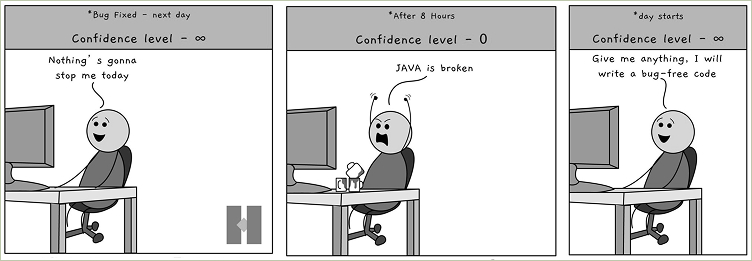
There's something addictive about the troubleshooting process: the frustration, the breakthrough moments, and finally seeing your intended vision come to life through code. This shows my broader design evolution and formed one of the many reasons why I got into Computation in Design.
From Drawing To Here
My design path began from fine art and drawing. The transition happened through Photoshop, documenting my artwork, which opened the door to digital design. What drew me to branding initially was the directness: unlike the complex meanings in fine art, digital branding allowed immediate iteration and clear visual results.
Turning points that led to UI/UX:
Publication Design: The "maybe this is my thing" moment when layout and typography clicked
Web Design: Web-pub (translating print to web) got me interested in the intersection of design and development. + Building my own website for portfolio also made me realize the power of designing AND developing
UI/UX Realization: Understanding that I could weave creativity and aesthetics WITH technology, not just put pretty visuals on static pages
Internship Insights
& Communication Challenges
My internship at LTA's IT department has been valuable but also frustrating at times. Working alongside software engineers and data engineers highlighted a massive communication gap: it's really hard to explain sophisticated interaction design through traditional tools like Figma prototypes.
Also, I explored AI tools for UI/UX prototypinh hoping they could help, but most couldn't handle nuanced interaction work. Eventually found Magic Pattern useful for design system work (exports to Figma, works as component repository), but even that doesn't solve the core problem.
Key realization:
To create the nuanced, branded interactions I envision, I need to bridge the gap between design intent and technical implementation through code.
I need to prototype the actual behavior myself.
Recent Inspirations
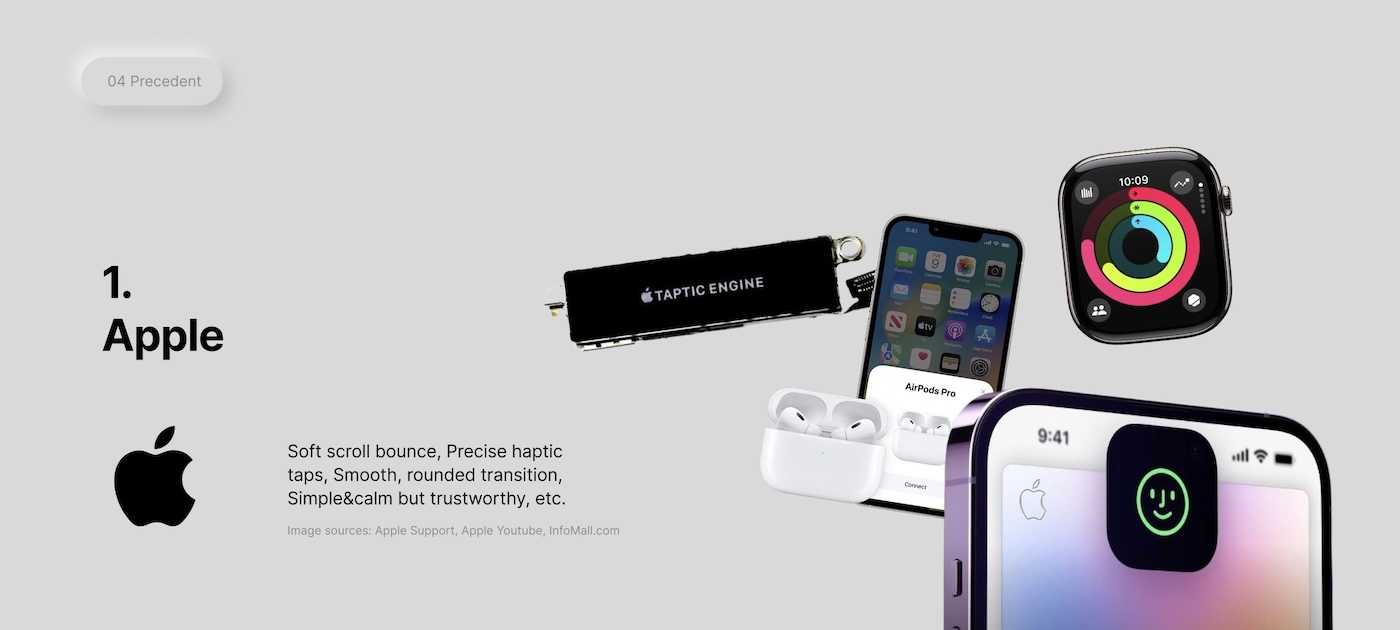
Part of my week2 presentation slide
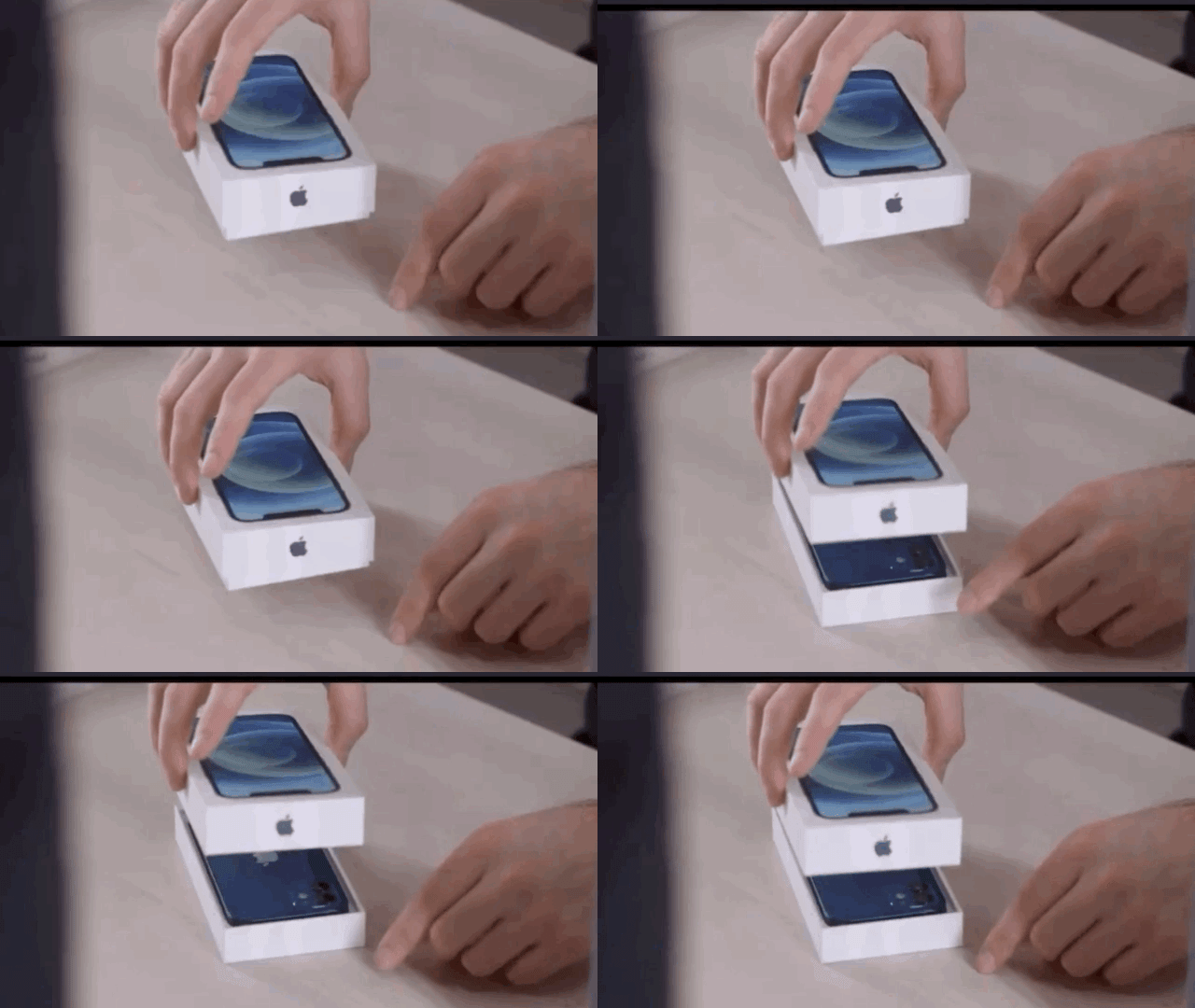
Apple's approach to holistic brand embodiment is the north star here. Their design philosophy goes way beyond visual elements: Sophisticated haptic feedback that feels premium Carefully timed animations and transitions Sound design that feels inherently "Apple". Even packaging experiences that precisely calculated unboxing timing creates ritual, premium excitement.
Source: SatPost by Trung Phan
Their packaging is especially interesting when you think about it. They engineer the SPEED of opening a box. Not too fast (feels cheap), not too slow (frustrating). Just slow enough to feel luxurious and create anticipation. At that moment you forget how expensive their products actually are. (Kapferer talks about this, pp.126-127) This attention to temporal and sensory details shows how branding can be truly embodied through interaction design, not just visual identity.
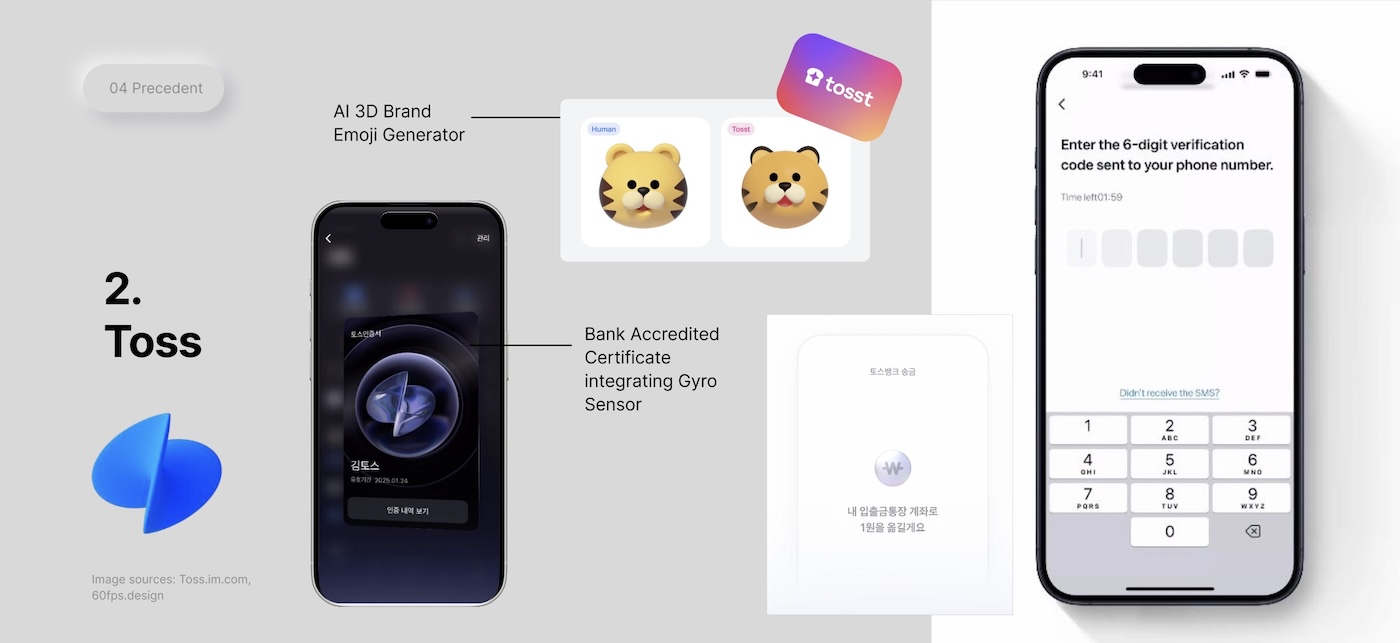
Another inspirations
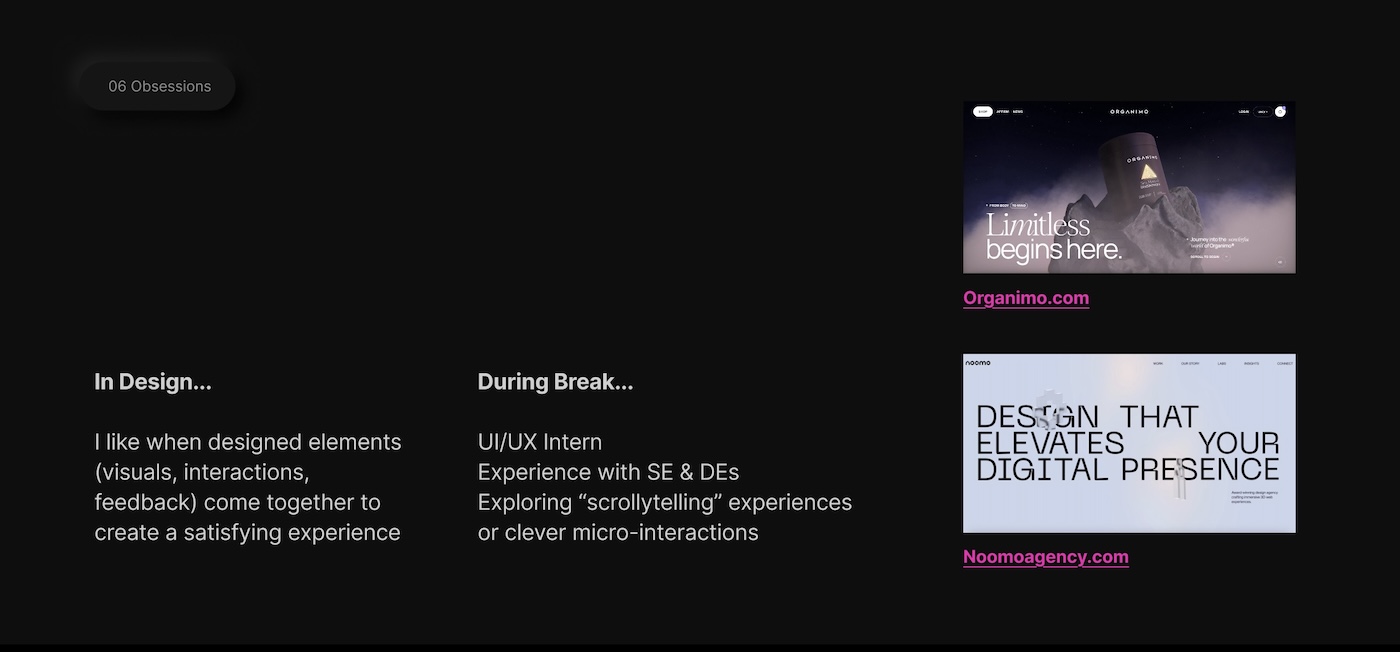
Some of my recent obsessions