09 Getting Inspirations
This week was a refreshing week for me gathering external validation and tactile inspiration. A field trip to the Art Science Museum showcased how large-scale exhibitions successfully stage atmospheric experience using sound and physical curation. There was also an inspiring workshop using the MidiMix controller, which proved that physical input devices can be easily integrated into p5.js.
Week-nine
13 ~ 19, Oct, 2025Journal-by
Choi YerinKeywords
- Sensory-exploration
- MidiMix
- Tactility
- Bodily-sensing
- Inspiration
Field Trip:
Art Science Museum
Staging Atmosphere: Beyond the Screen
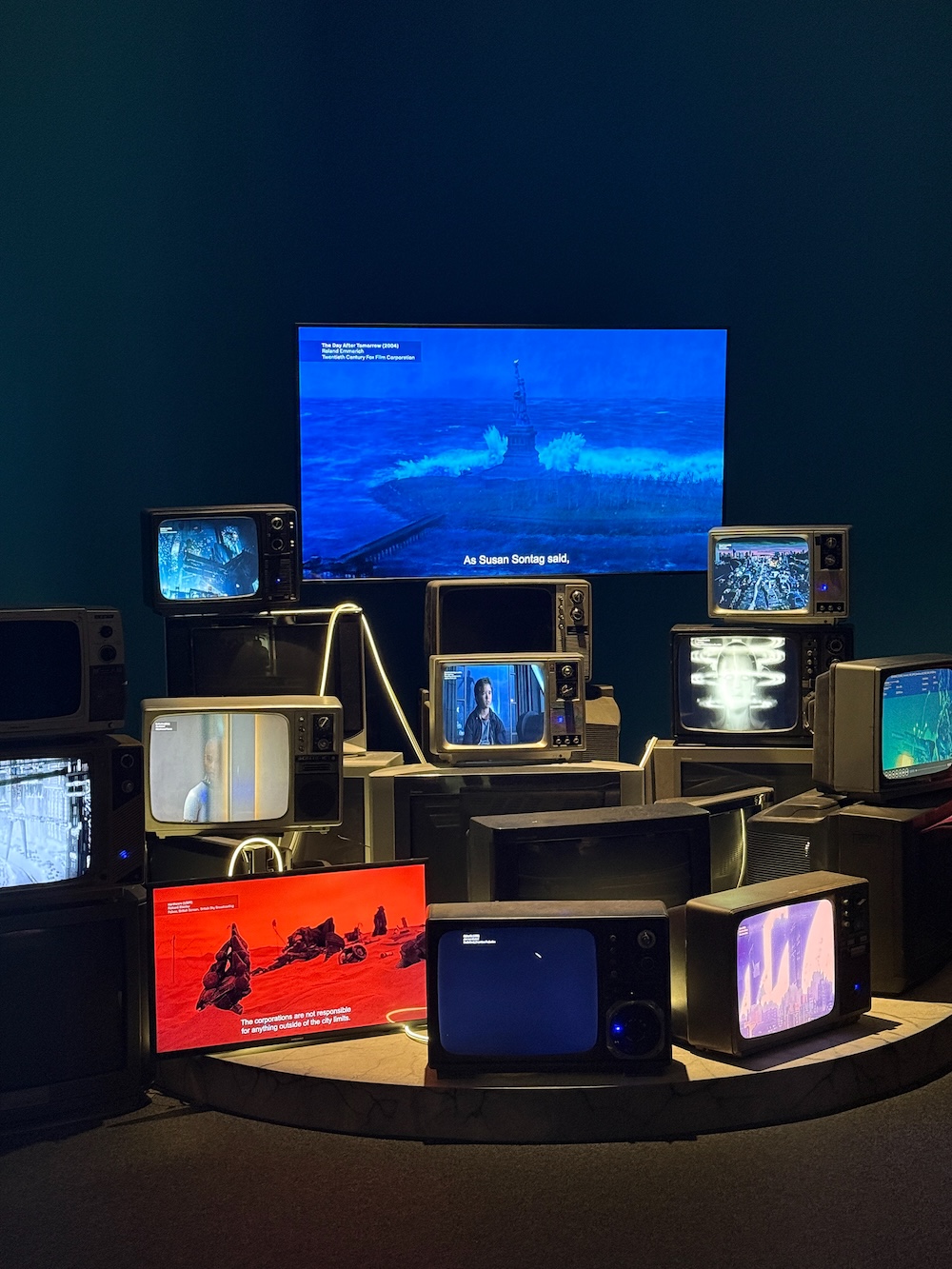
Exhibition Entrance picturing future in media
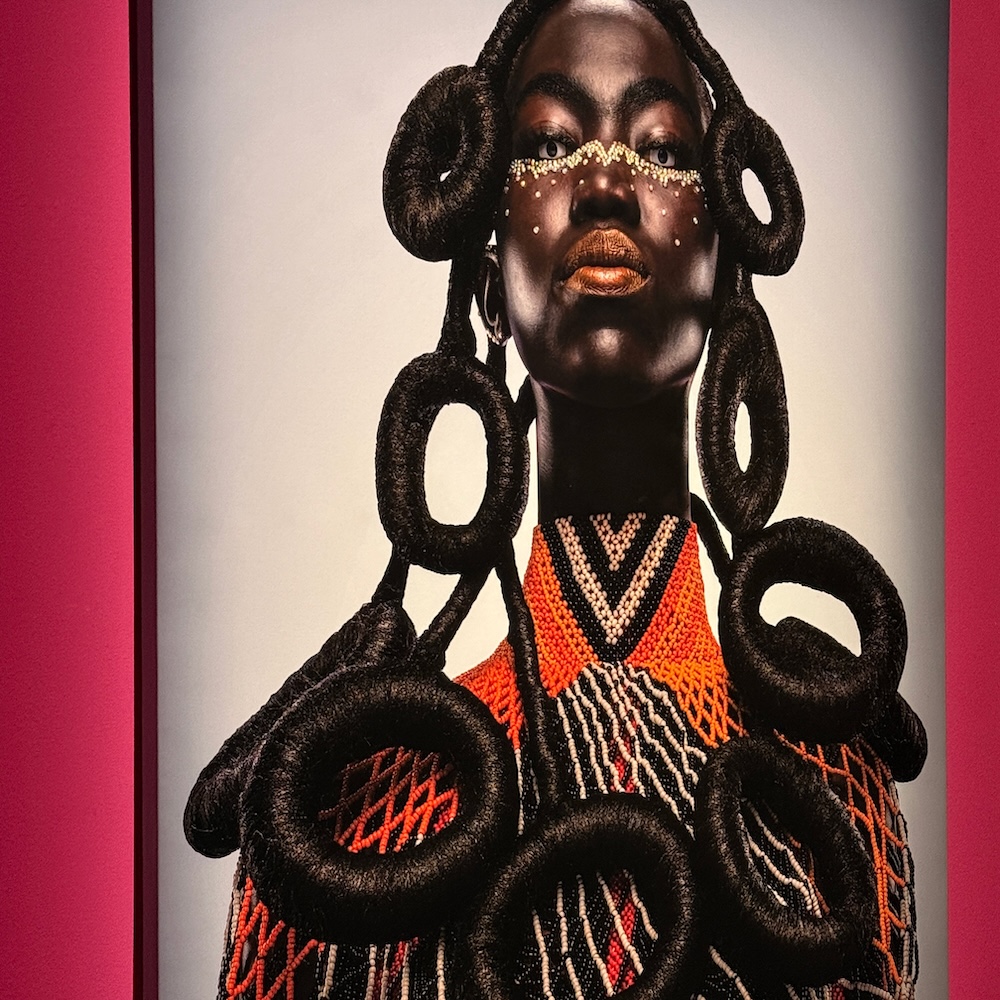
People of the Rift, Osborne Macharia
The exhibition "Another World is Possible" provided rich context for atmospheric aesthetics. It was inspiring to see a vision of the future built on a harmonious integration of nature and technology, where the use of curated sound design made the entire experience immersive. This showed me that a cohesive brand (or world) identity must be "lived, felt, touched, or heard" through experiential touchpoints.
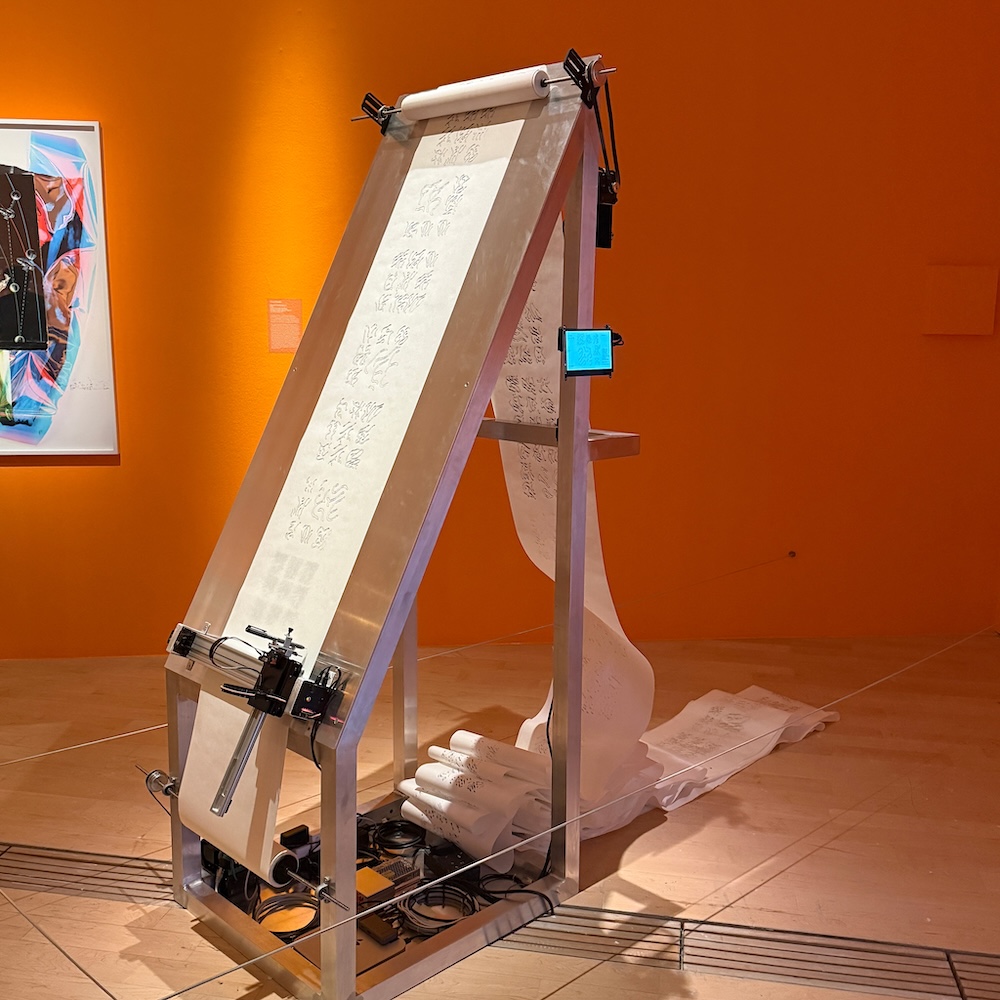
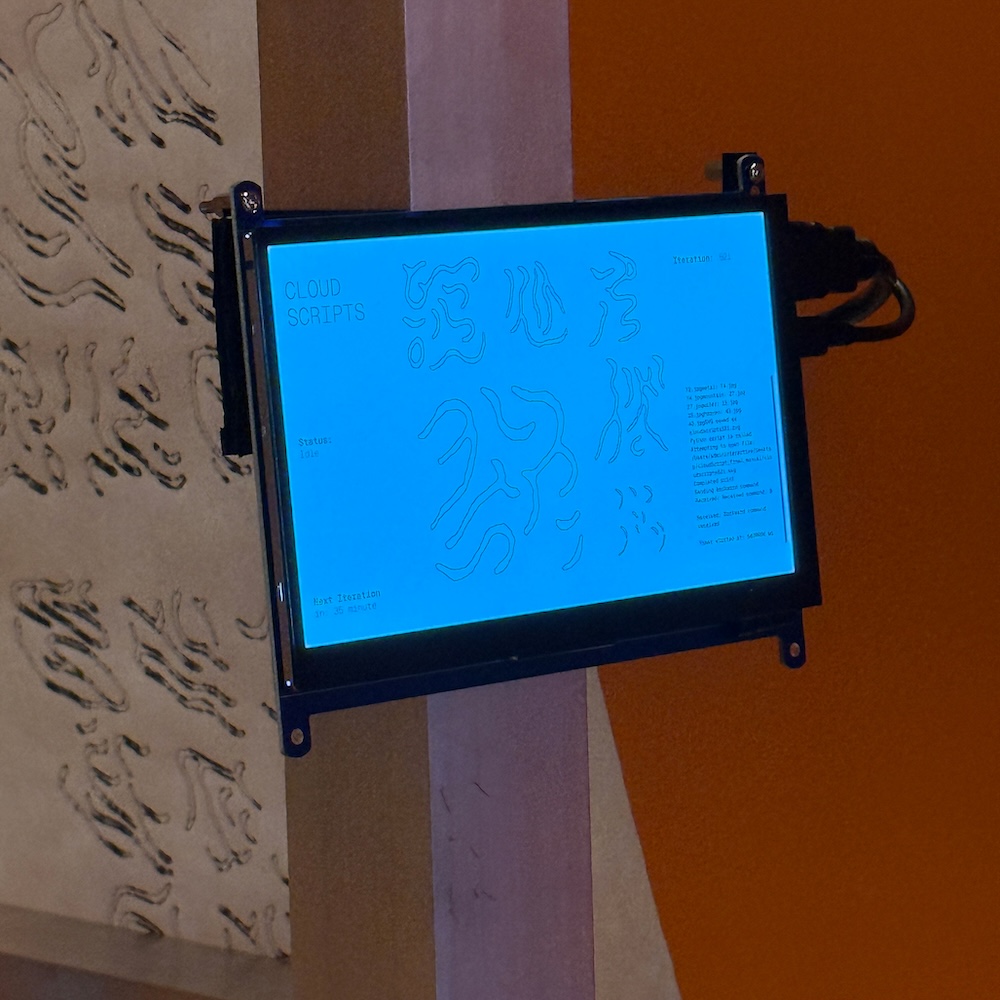
Cloud Scripts by Ong Kian Peng used an AxiDraw machine to mechanically generate spiritual talismans. The tension between the mechanical precision (code/AxiDraw) and the metaphysical outcome (talismans) inspired me by using systematic code (computational precision) to generate a non-visual, emotive outcome. Apart from that, also it was interesting to know that he was from our Atlier.
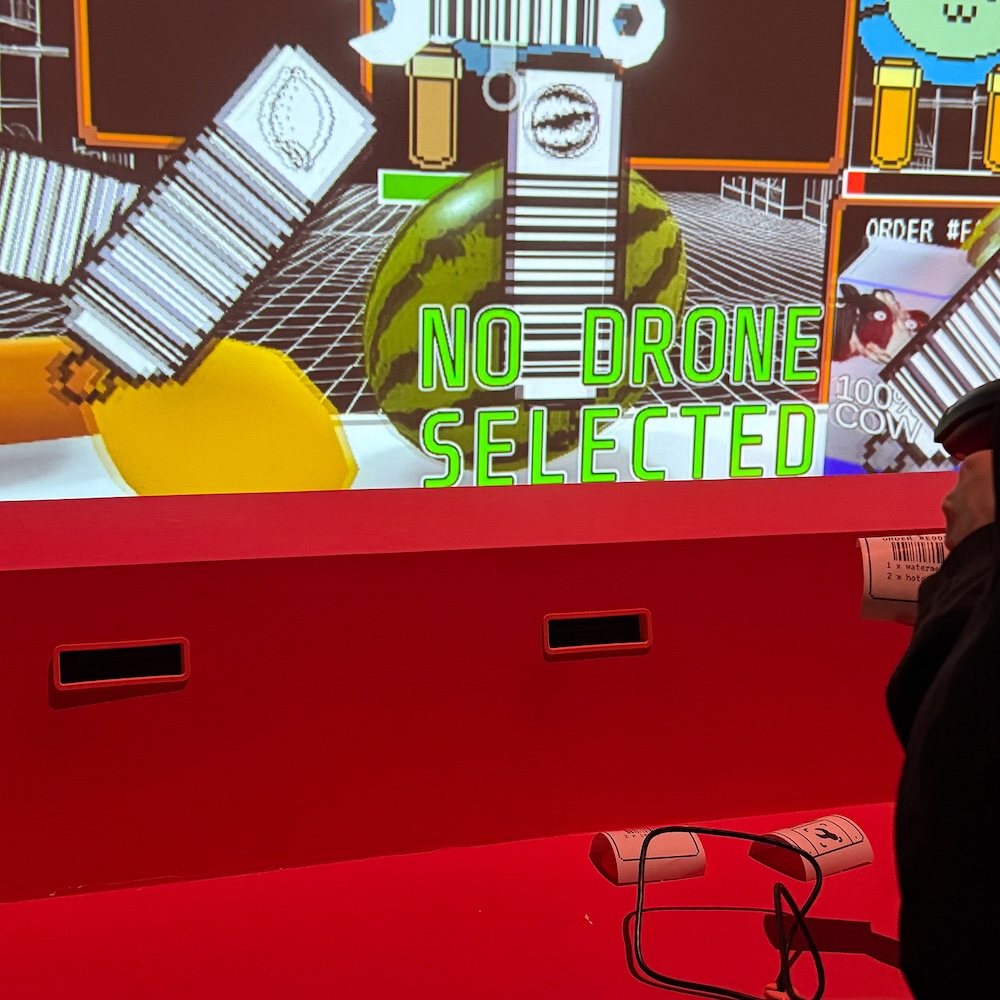
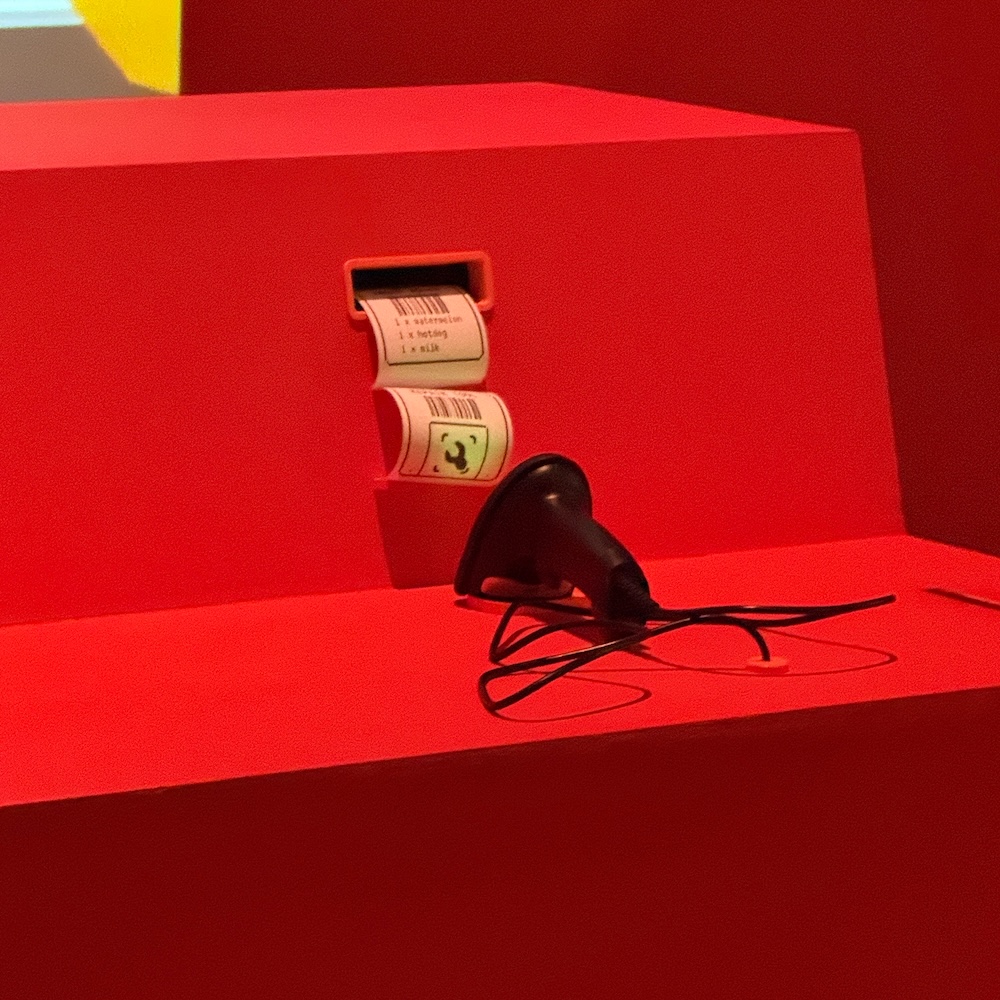
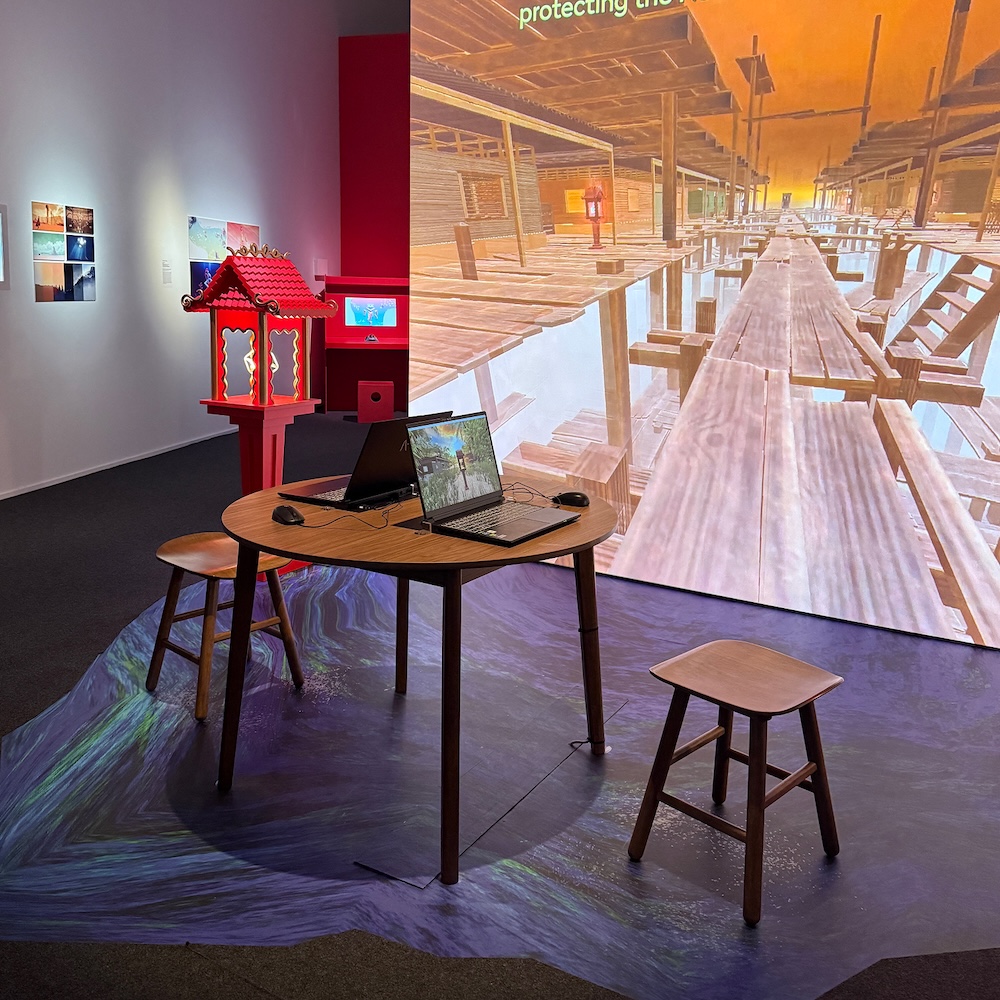
Gamified Installations: I played a task-based game where missions were printed on receipts. This realization—that tactile, experiential storytelling can use even mundane technologies—validated the need to reimagine common UI elements (like buttons and progress bars) as vehicles for brand expression.
CiD Lab: The Materiality of Input
MidiMix for Sketching
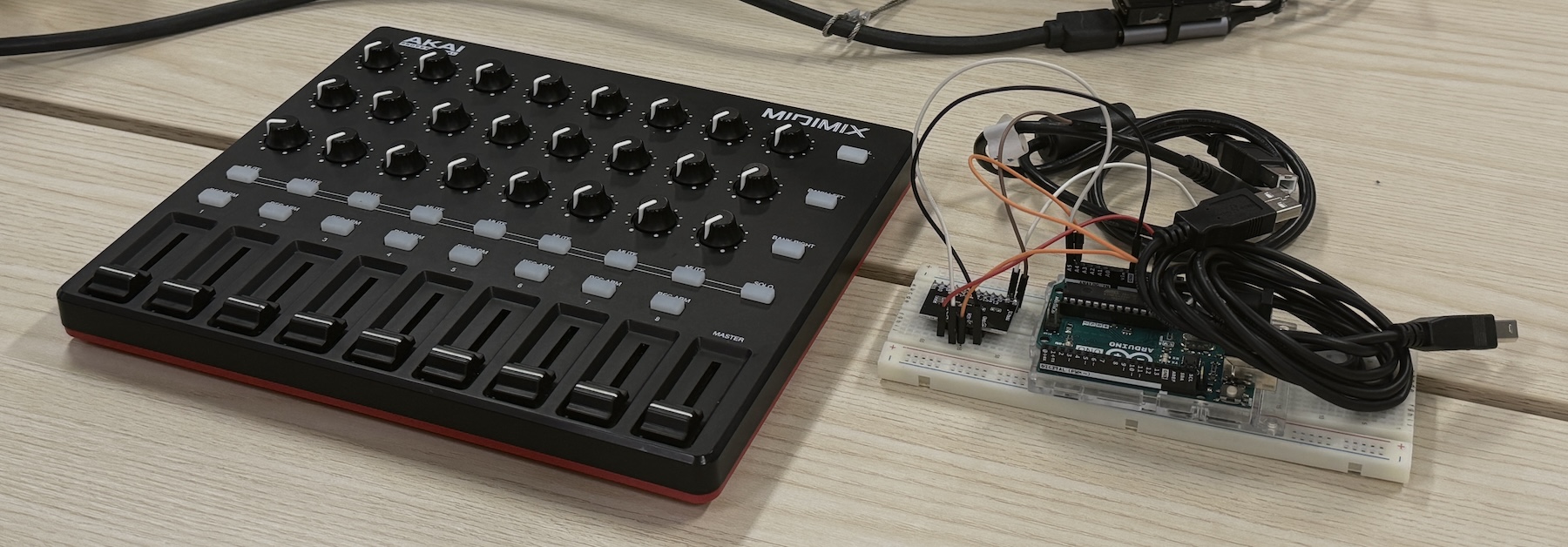
This week, I also attended a CiD lab session on the MidiMix controller and AxiDraw. Initially, I thought this hardware was strictly for music, but I quickly realized it was simply a rich source of numerical input. I managed to connect it to p5.js using basic event listeners like theNote, theVelocity, onMidiEvent.
In just about an hour, I had created a simple system where the physical knobs controlled the digital output (color, size, rotation). The process was straightforward, confirming Löwgren's perspective that interaction design must sometimes "sketch in software and hardware" to explore temporal nature.
The most critical learning was sensory: the physical feeling of the MidiMix's controls. Turning the smooth, precise knobs created a profound sense of control and premium feedback that digital sliders cannot replicate.
I realized that the physical device provided the missing element of bodily sensing which Böhme argues is central to experiencing a felt space. My current web-based tool lacks this vital materiality of interaction.
Tools &
Skill Development
Expanding Toolkit
While working on the project, I recognized the necessity of understanding the broader ecosystem to ensure my final tool outputs production-ready code.
Motion Graphic Workshop
I started learning After Effects (AE) this week. Although my core methodology is computational prototyping, learning motion design through AE provides valuable knowledge of motion principles (timing, anticipation, follow-through) that directly inform how I script animations in p5.js and JavaScript.
One of the excercises outcomes from the workshop
Code Frameworks (GSAP, React)
I've been exploring GSAP (GreenSock) for its high-performance control over complex easing curves and timelines. I'm also engaging with React to understand better web component architecture, which is really important for building a modular tool.
Visual Coding & Animation design (HANA/Spline)
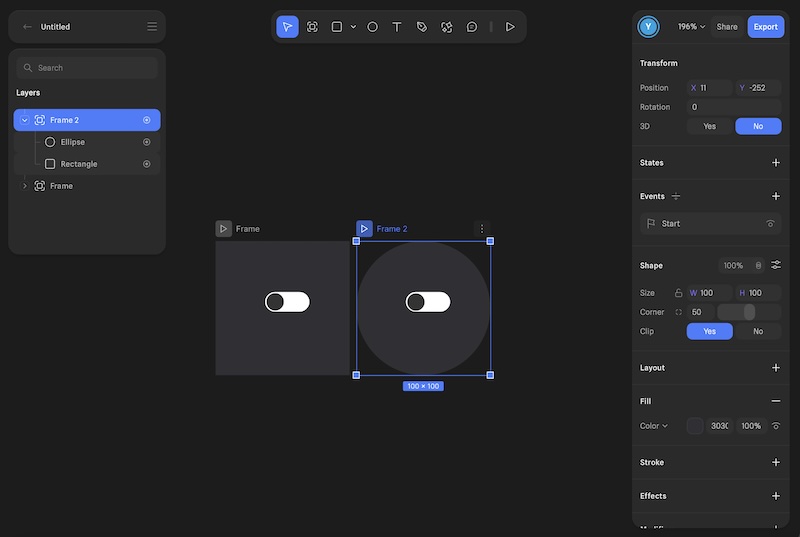
I also looked into tools like HANA (Spline). (Actually I did not know much about this tool when I first started my project but I immediatedly realized how powerful this tool can be, rather than basic tools like Lotti Files.) Analyzing how these visual interfaces bridge the gap between design parameters and code helped me understand the user experience required for my own tool as well.
Self-Assessment
To be honest, I am still far from proficient in these advanced frameworks, but the goal right now is conceptual understanding, knowing what can be done and how to structure my own tool to eventually output to these platforms.
Next Steps
Following the inspiration from the MidiMix, the immediate next step is to integrate the visual design (Neumorphism from Week 08) into the tool while defining the architecture necessary to simulate premium resistance and easing controls.